
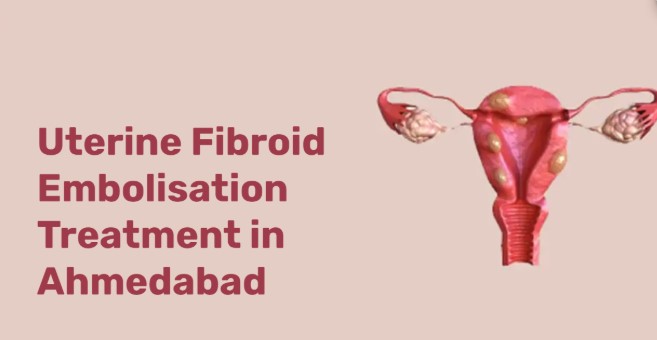
Uterine fibroid embolisation is a minimally invasive procedure that offers women an effective alternative to surgery for symptomatic uterine fibroids. While recovery is generally faster and less complicated than surgical alternatives, it has its own characteristic pattern that patients should understand before undergoing the procedure. Knowing what to expect during recovery after uterine fibroid embolisation helps patients prepare properly, recognise what is normal, and identify any symptoms that need prompt medical attention.
What Uterine Fibroid Embolisation Involves
Uterine fibroid embolisation (UFE) is a procedure performed by an interventional radiologist under imaging guidance. Small particles are injected through a thin catheter, introduced through a small nick in the skin at the groin or wrist, into the arteries supplying the fibroids. These particles block the blood supply to the fibroids, causing them to shrink over the following weeks and months.
The procedure itself typically takes one to two hours and is performed under sedation or general anaesthetic, with the patient usually spending one night in hospital afterwards.
The First 24 Hours After Prostate Artery Embolization Treatment in Ahmedabad and UFE
The immediate recovery period after uterine fibroid embolisation is characterised primarily by pain from post-embolisation syndrome, the body’s response to the sudden reduction in blood supply to the fibroids. This is an expected and normal part of the recovery process, not a complication. Similar minimally invasive procedures, including Prostate Artery Embolization Treatment in Ahmedabad, also involve a recovery period that is carefully monitored by specialists to support a smooth healing process.
What Patients Typically Experience in the First 24 Hours
- Pelvic cramping: often described as severe period pain, typically reaching its peak in the first 12 hours after the procedure
- Low-grade fever: a common feature of post-embolisation syndrome, usually settling within 24–48 hours
- Nausea: common in the immediate post-procedure period, managed with anti-nausea medication
- Fatigue: significant tiredness is normal and should not be resisted
Pain management in hospital immediately after the procedure typically uses a combination of intravenous analgesia, anti-inflammatory medications, and anti-nausea agents. Most patients find that the pain is well controlled with this approach.
The First Week at Home
Most patients are discharged home on the day after the procedure, with oral pain medications and anti-inflammatory drugs prescribed for home use.
| Recovery Aspect | What to Expect in Week 1 |
| Pain level | Gradually decreasing pelvic discomfort; over-the-counter analgesics usually sufficient by day 3–4 |
| Vaginal discharge | Light spotting or watery discharge is normal; heavy bleeding should prompt medical review |
| Fatigue | Significant — most patients need to rest more than they expect |
| Activity level | Light activity only; avoid lifting, strenuous exercise, or long journeys |
| Diet | Light, easily digestible foods initially; normal diet resumed as appetite returns |
Weeks Two to Four: Gradual Return to Normal Activity
During the second week after uterine fibroid embolisation in Ahmedabad, most patients begin to feel significantly better. The acute post-embolisation syndrome has typically resolved, and energy levels begin to return.
A Typical Return to Activity Timeline
- Return to desk work: usually possible in the second week for patients with sedentary employment
- Driving: once pain medication requirements have reduced to standard over-the-counter analgesics and the patient can comfortably perform an emergency stop
- Physical exercise: light walking from week two; more vigorous exercise should be deferred to four to six weeks
- Sexual activity: typically deferred for four weeks to allow full recovery
Longer-Term Recovery: Months One to Three
The fibroid shrinkage that UFE produces continues over several months after the procedure. Many patients notice a gradual reduction in symptoms, heavy periods, pelvic pressure, urinary frequency, over this period as the fibroids reduce in size.
Signs of a Successful Recovery
- Menstrual periods returning with lighter flow than before the procedure
- Reduction in pelvic pressure and bloating
- Improvement in urinary frequency or urgency where this was a pre-procedure symptom
- Fibroid size reduction confirmed on follow-up ultrasound at three to six months
When to Seek Medical Advice During Recovery
Most patients recover without complications, but certain symptoms warrant prompt medical review:
- Heavy vaginal bleeding, more than one pad per hour for several hours
- Fever above 38.5°C persisting beyond 48 hours after procedure
- Severe pain that is not responding to prescribed analgesics
- Signs of infection at the catheter access site, redness, swelling, or discharge
Conclusion
Recovery after uterine fibroid embolisation is a well-defined process that most patients navigate successfully when they are properly prepared for what to expect. The combination of understanding the normal recovery pattern, following the medical team’s advice, and attending follow-up appointments ensures the best possible outcome from this effective, minimally invasive treatment. Dev Hospital’s interventional radiology team provides comprehensive pre-procedure preparation and post-procedure support, helping patients through every stage of their recovery with the information and medical care they need.